Where periods no longer interrupt learning
A simple belief in dignity and education sparked lasting change for girls in schools across the district.
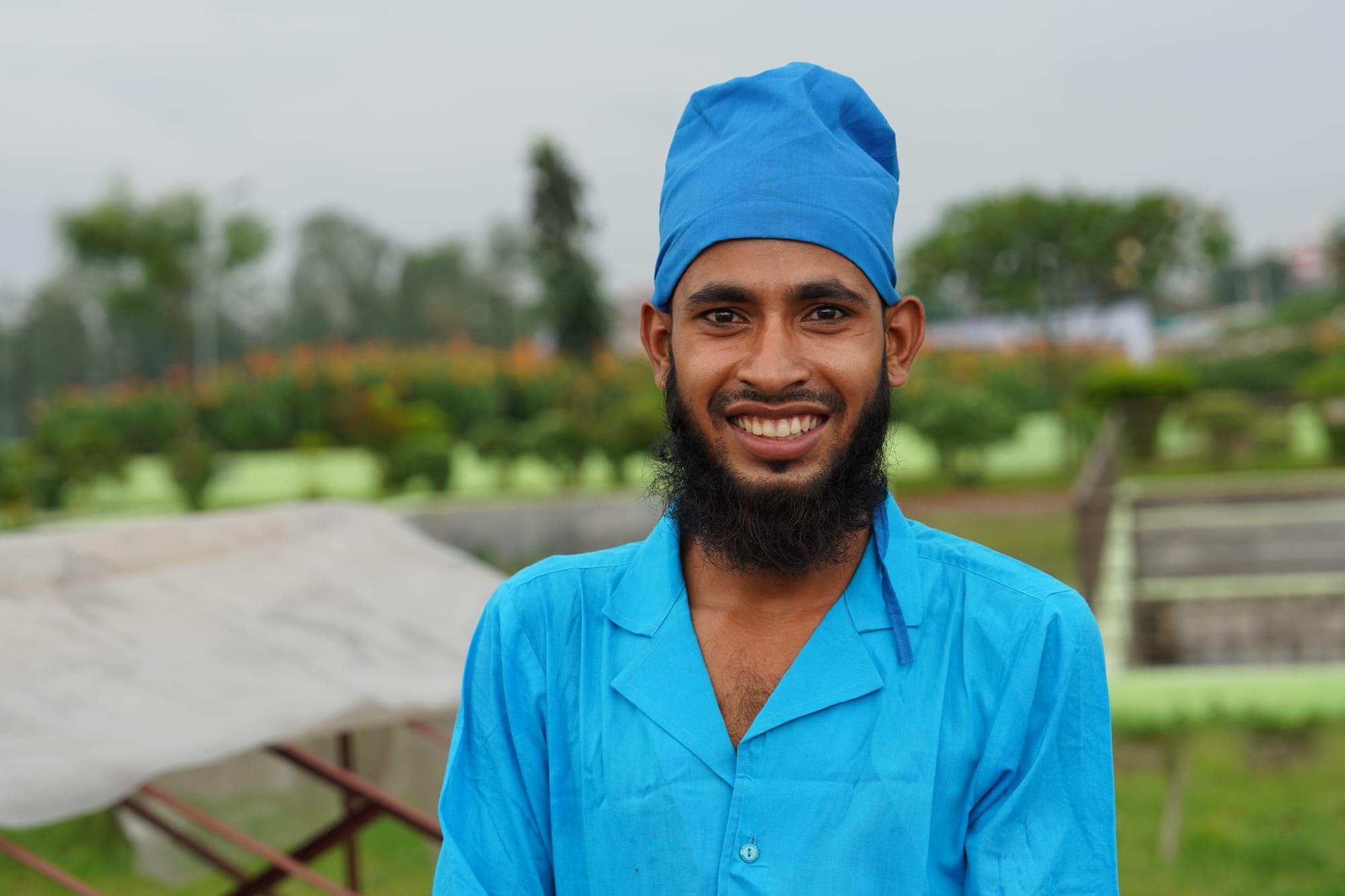
As an Education Officer in Khulna, he had spent years working across schools and institutions. Some responsibilities came through official assignments, while others, he believed, had to be taken on through personal commitment.
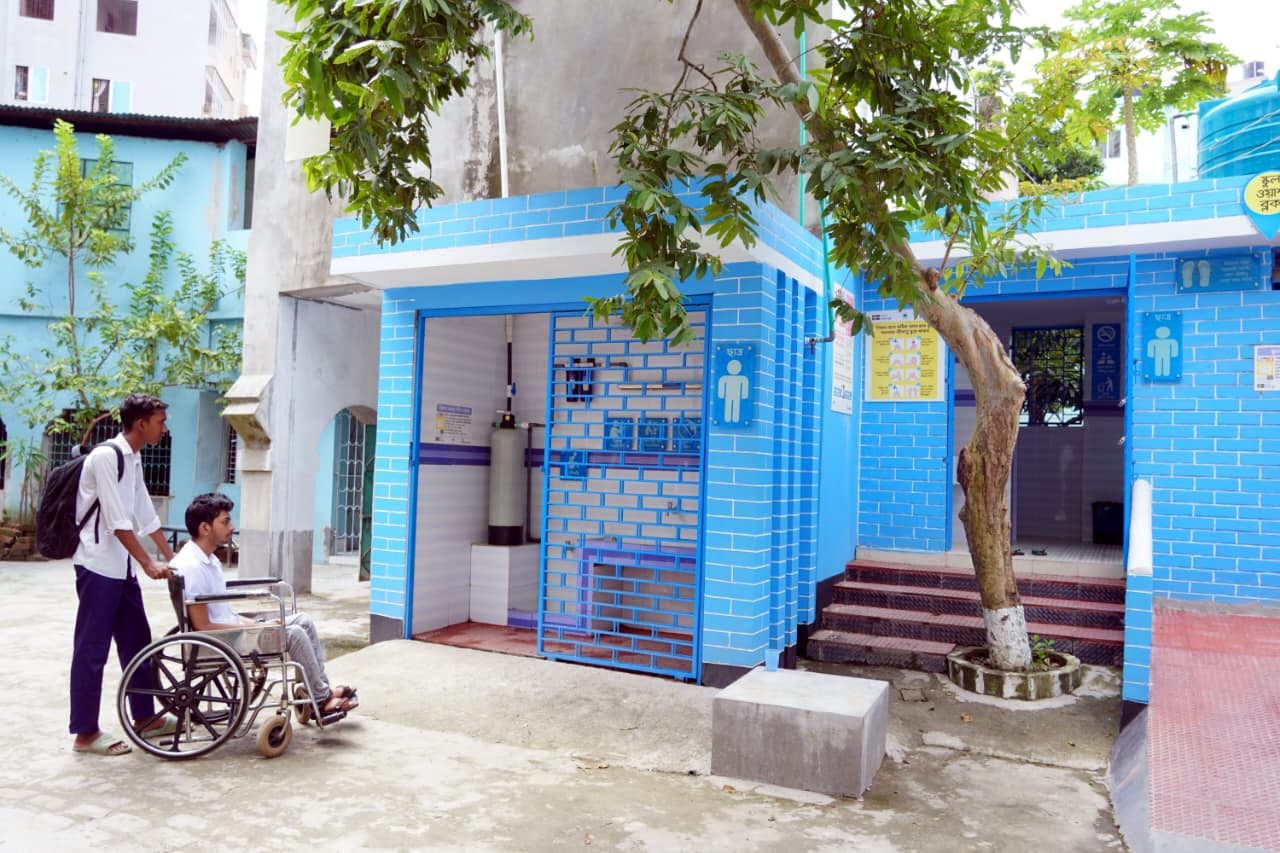
That belief was reinforced when he visited activities under the WASH for Urban Poor project in his area. There, he saw firsthand how inadequate water, sanitation and menstrual hygiene facilities were quietly affecting girls’ education. Many of the brightest and most regular students were missing classes each month, often simply because schools lacked safe facilities, menstrual products and proper disposal systems.
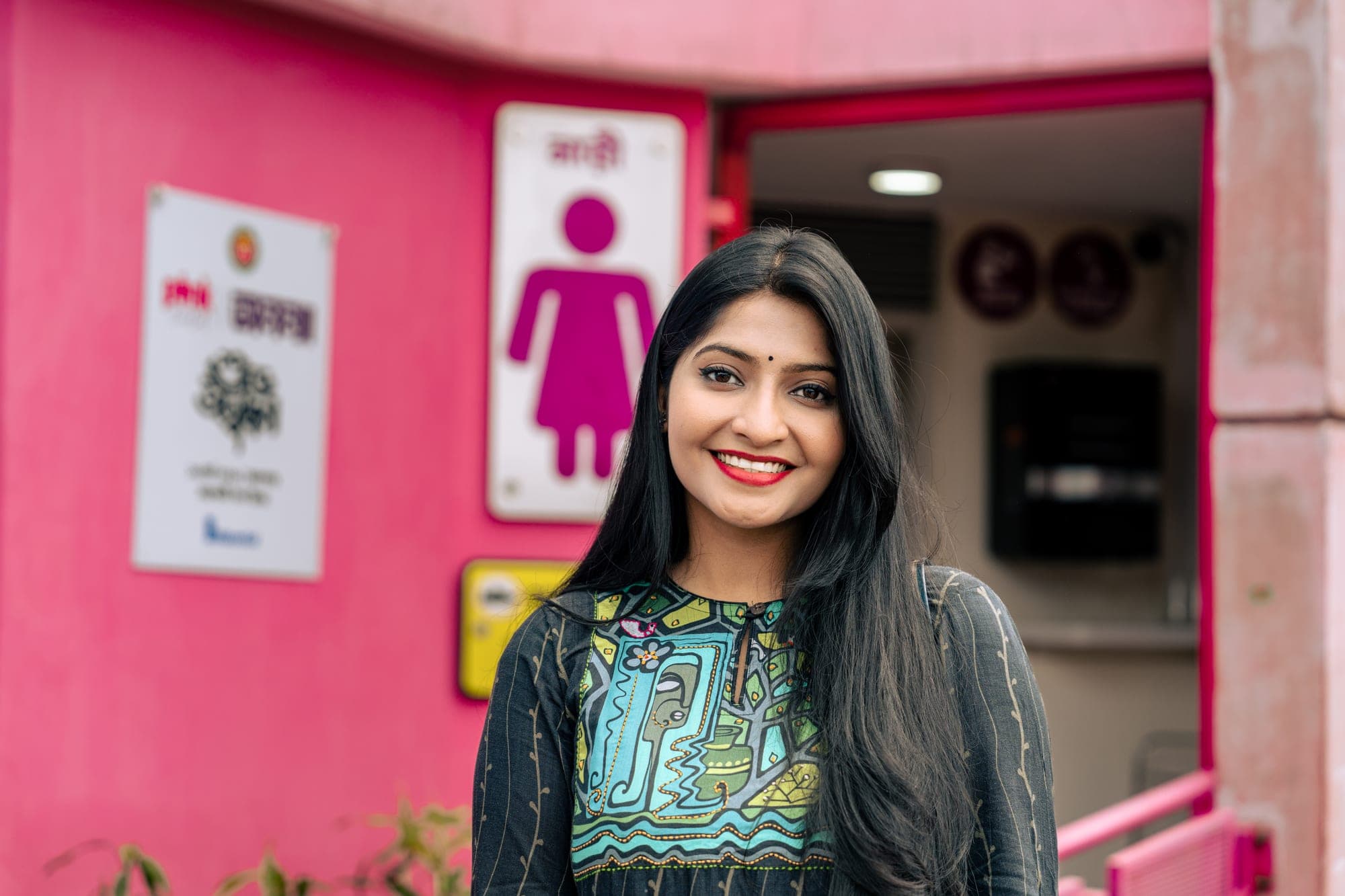
Determined to change this, he brought together heads of institutions across his jurisdiction to discuss the gaps and identify solutions. With support from WaterAid and Nabolok, schools introduced safe drinking water facilities, sanitary pad vending machines and improved disposal systems.
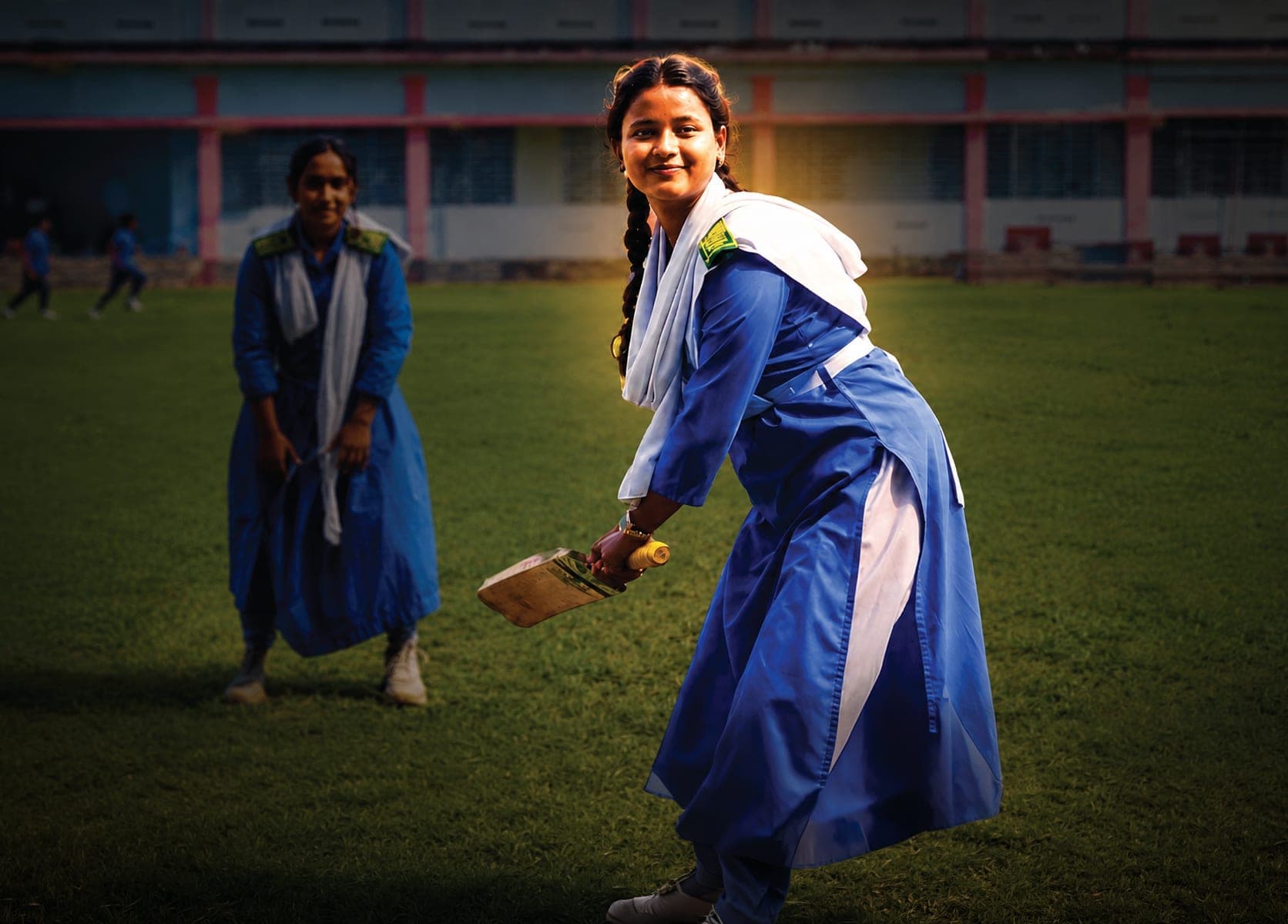
Today, what began as curiosity has grown into collective action. Schools across the area have taken ownership of water, hygiene and menstrual health initiatives, helping ensure that menstruation no longer determines whether a girl attends school. If Bangladesh’s future leaders are to thrive, he argues, schools must support not only learning but dignity, health and wellbeing. For thousands of girls, that change has already begun.