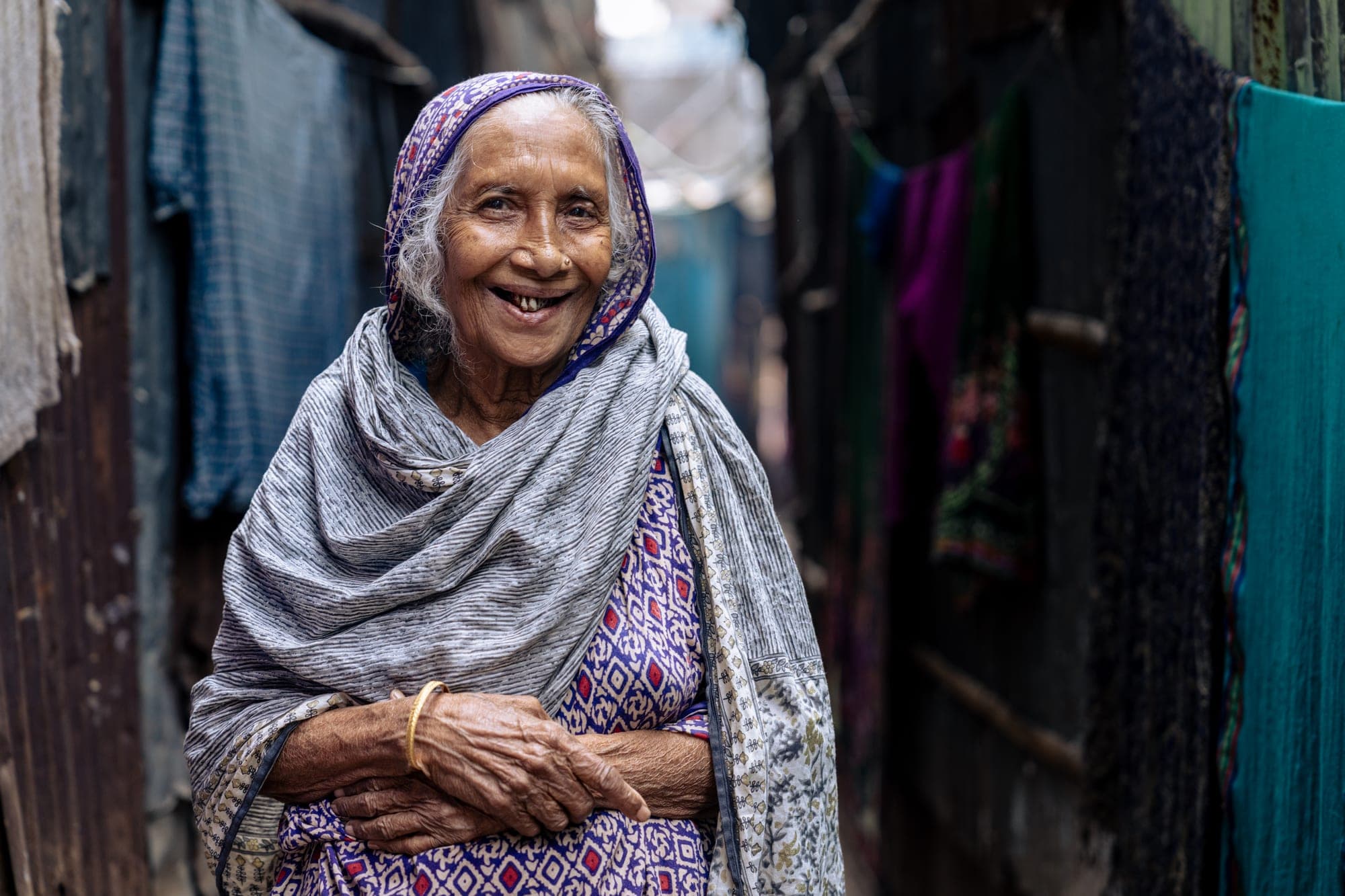
Ananya: where women can pause, breathe and belong
More than a toilet, Ananya is a space where women can pause, breathe and feel secure.
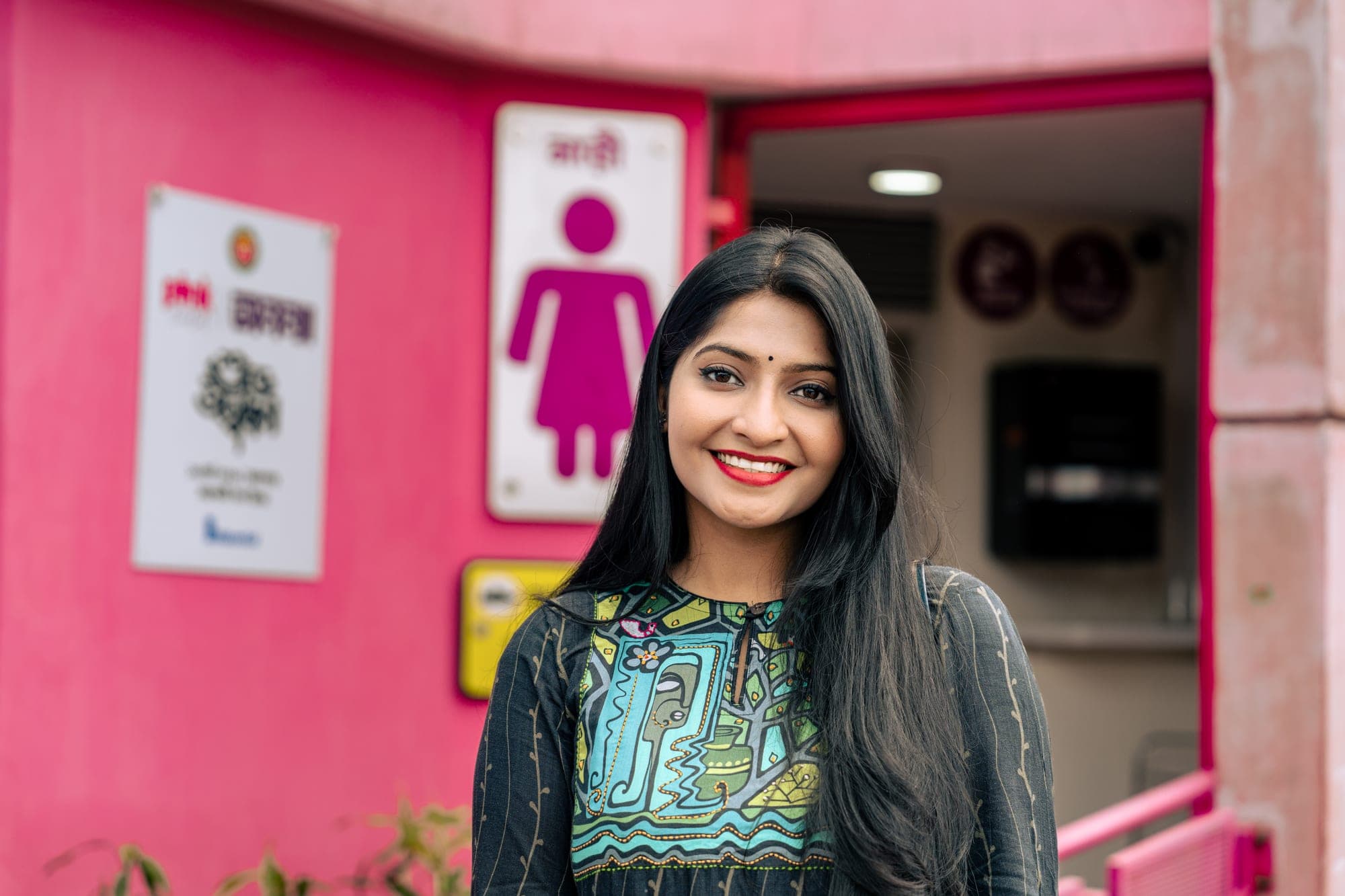
The weather office had called it a mild heatwave. Dhaka and a few other districts, Antara remembered. But standing at Mohakhali Bus Terminal, under the white, merciless sun, the word “mild” almost made her laugh. The trees lining the road stood limp, their leaves coated in dust. People moved with tired faces. Heat rose from the vehicles and the asphalt until the air itself felt like a gust of fire.
Through this crowd, five days a week, Antara Ador made her way to work. A young professional, she travelled the long stretch from Mohammadpur and back again. She was not someone who could be stopped easily. But no matter how much the mind insisted, the body had its own demands.
Her period had started that morning. In this heat, in this crowd, on this long commute. Today, of all days.
Antara’s throat was dry. She had a water bottle in her hand, cold when she left home, warm now. She had not opened it. She could not. The reason was simple enough to say, but sometimes too heavy to carry: what if she needed a toilet? For women, these simple reasons could weigh a great deal. Antara tightened her grip around the bottle.
I cannot even drink a little water in this heat.
A mother hurried past. One hand held a bag, the other held tightly onto a child tugging beside her. The child’s cheeks were flushed, damp hair plastered to his forehead, growing more restless with every passing second. The mother did not stop. Where would she? There was no place, no time, no option. Antara watched them disappear into the crowd.
That was how women often moved through the city, carrying bags, children, pain, shame, fear, and the weight of their own bodies. The city, meanwhile, managed very little for them. Then the pink caught her eye.
Still and bright against the grey chaos of the terminal, it stood apart from everything around it. Ananya. Bangladesh’s first public toilet built exclusively for women. The name means one of a kind. There was something reassuring in the name alone.
Antara stepped inside. For a moment, it felt as if the noise of Mohakhali had stopped at the door. The heat stayed outside, and so did the dust, the stares, the constant alertness.
At the counter, a staff member asked if she had a moment to talk. Antara gave a tired smile and said:
Apa, can I have some water first?
She stood in the cool shade inside and drank a full glass from the RO filter, setting aside the warm bottle she had been carrying for hours. She took a long breath. It was strange, this quiet feeling of being considered.
She spoke briefly with a WaterAid Bangladesh representative about the realities of her daily commute. Then she walked to the sanitary napkin vending machine and bought a pad. It cost only ten taka.
Before entering the toilet, she still looked carefully at the door. It was a public toilet, after all, and old habits die hard. Any gap? Any hole? Any place someone could look through from the outside? Women learned these things without anyone teaching them. Then she went in and closed the door without worry, for once.
Built at Mohakhali Bus Terminal with support from Dhaka North City Corporation, WaterAid Bangladesh, and the Embassy of Sweden in Dhaka, Ananya is the country’s first pink toilet for women. Operated by Bhumijo, it offers menstrual hygiene facilities, a sanitary napkin vending machine, a breastfeeding chamber, baby care and diaper changing station, and accessible features for women with disabilities.
Outside, the sun was still cutting through the afternoon like a hot knife. But in that moment, inside that small pink space, Antara felt something she had not expected to feel at a busy bus terminal.
Sometimes, a toilet is not just a toilet. Sometimes, it is a door a woman can close without fear. A place to breathe.
Ananya, indeed.