From sludge to soil: the journey of Sakhi Compost
From faecal sludge to fertile soil, Sakhi Compost is powering a circular economy in Saidpur.
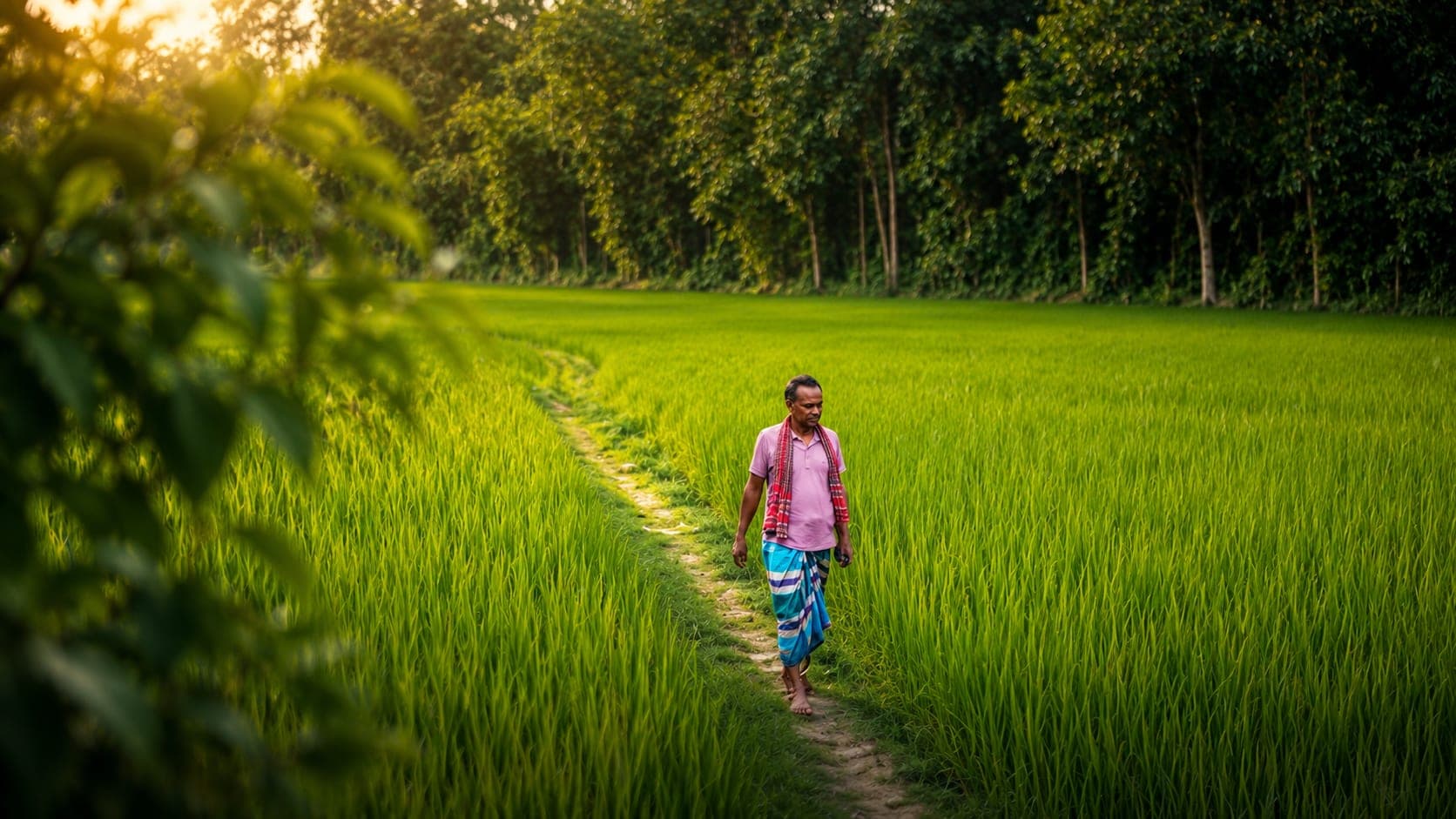
For us, soil is life.
Farming here has passed from grandfather to father to son. But years of relying on chemical fertilisers had gradually reduced soil fertility and crop yields.
Sakhi Compost offered an alternative.
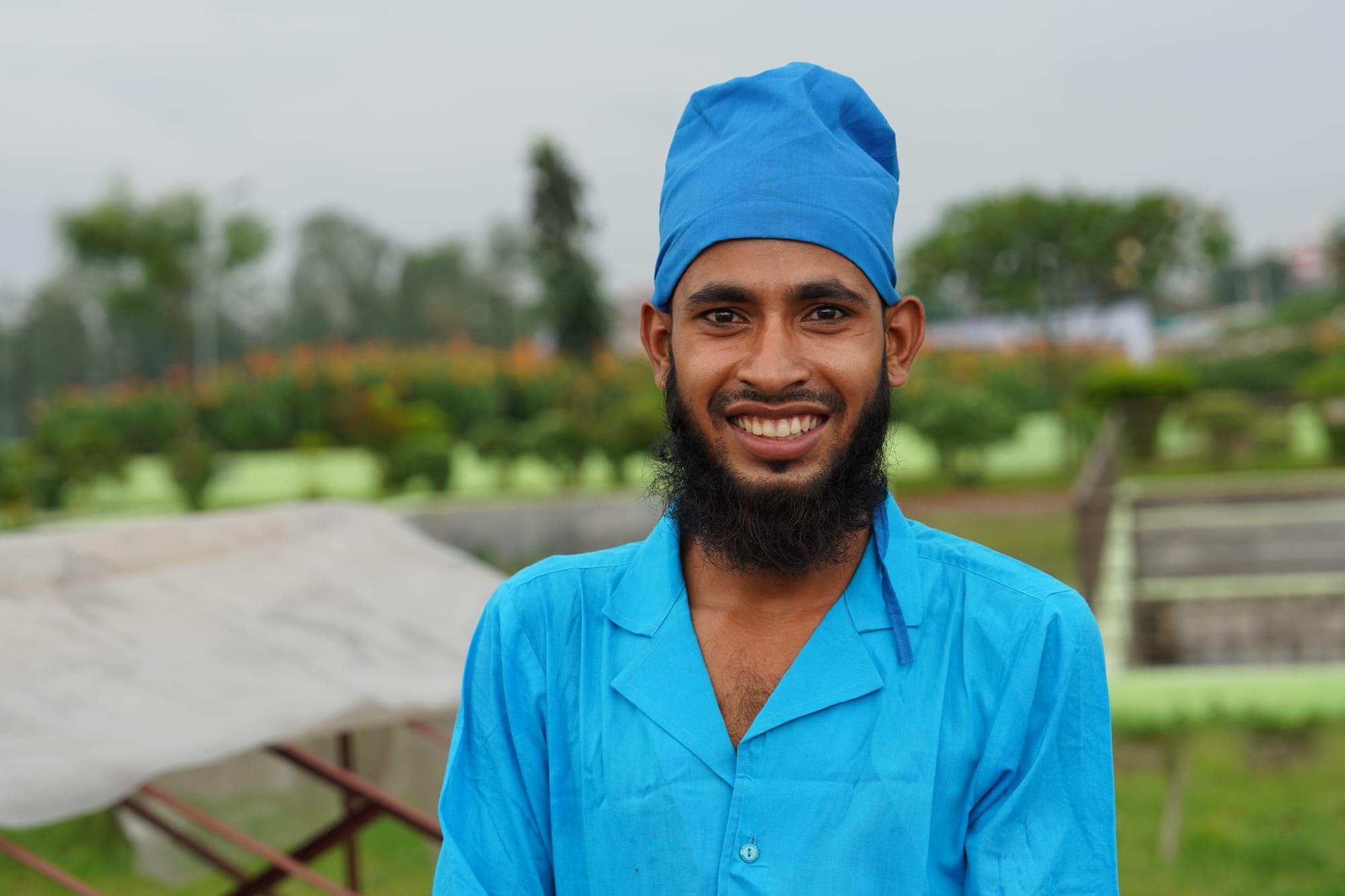
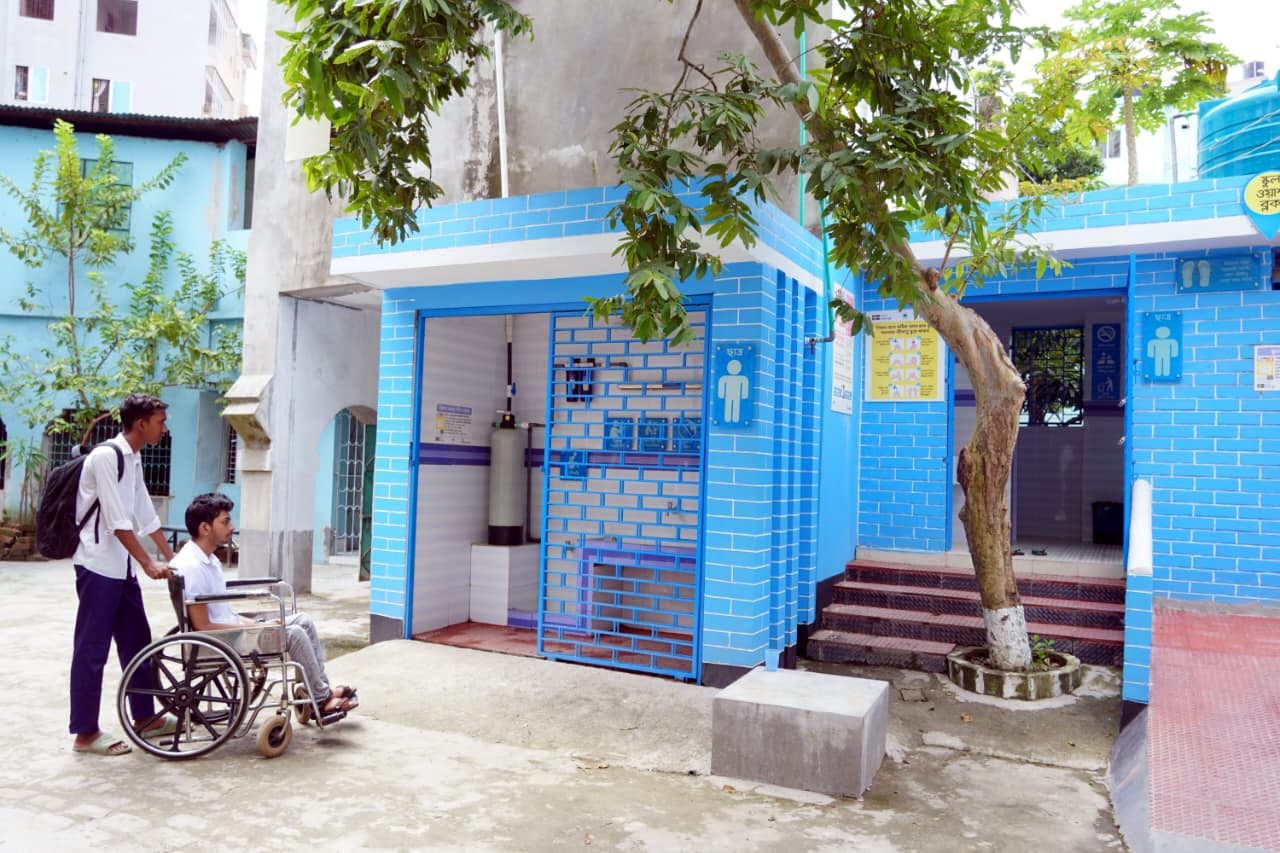
Produced from faecal sludge and household organic waste collected from all 15 wards of Saidpur Municipality, the co-compost fertiliser is created through a five stage treatment process at the faecal sludge treatment plant (FSTP), where faecal sludge, solid waste and sawdust are transformed into nutrient rich organic fertiliser over approximately 12 weeks.
The facility has recently integrated a Black Soldier Fly (BSF) unit to manage organic waste and generate additional revenue, alongside a solar power system and an IoT based real time monitoring mechanism to strengthen environmental safety and operational accountability.
Marketed at Tk15 per kilogram under the Sakhi Compost brand, the fertiliser is now used in 132 family nutrition gardens and by 74 farmers across Saidpur. So far, around 40 tonnes have been produced, turning waste into healthier soil, cleaner communities and new economic opportunities.
In Saidpur, waste is no longer the end of the story. For farmers, the benefits are visible in healthier soils and greener fields. Through Sakhi Compost, waste is becoming part of a circular system that connects sanitation, agriculture and livelihoods in a single sustainable cycle.
The journey from waste to fertiliser takes just twelve weeks. The benefits for soil, communities and the environment could last far longer.