The business of keeping a city clean
From hazardous manual labour to skilled sanitation service, Azad found dignity, stability and purpose.
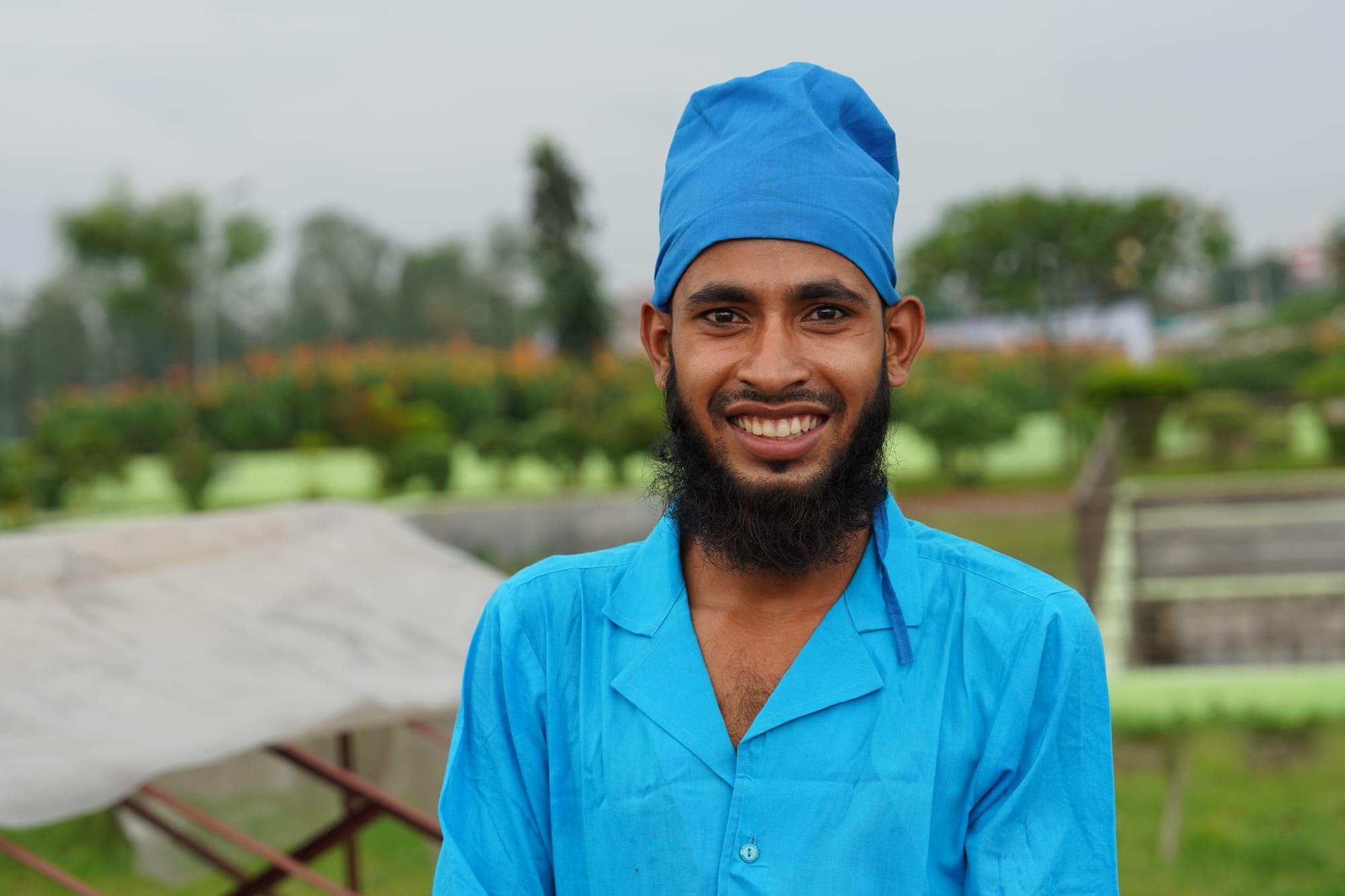
Before this job, I never could have imagined how much goes into dealing with poo.
Azad Rahman says this with a proud laugh. His face carries the particular wonder of a man who has been genuinely surprised by his own life.
Saidpur is a busy town, alive with the usual sounds of work, traffic, markets, and people going about their day. Like any living thing, though, the town has a body. And bodies get sick. Pit latrines and septic tanks filled homes across the city, and when they filled up, sanitation workers were called in to empty them by hand before the waste was dumped into nearby ponds, ditches, and open ground. Slowly, quietly, the town’s air grew heavy. Azad has watched this sickness up close for most of his working life.
His father was a day labourer. The family ran on very little. Third among four siblings, Azad had to stop studying after class eight. He was young, but the weight of responsibility landed early. He started out as a temporary sanitation worker for Saidpur Municipality, clearing roads and drains for four hundred taka a day. There was no protective equipment, no training, no real thought given to the men doing the work. Every day meant climbing into septic tanks and drains blind, not knowing what was in there, not knowing what was getting on his hands and feet. He fell ill often. Whatever he earned quietly disappeared into medical bills.
I used to dread going into those tanks and drains. Did not know what was inside. Things got on my hands, my feet. I did not know what. The month’s earnings were often gone before the month itself was over. One day sick meant two days of worry. What would I bring home?
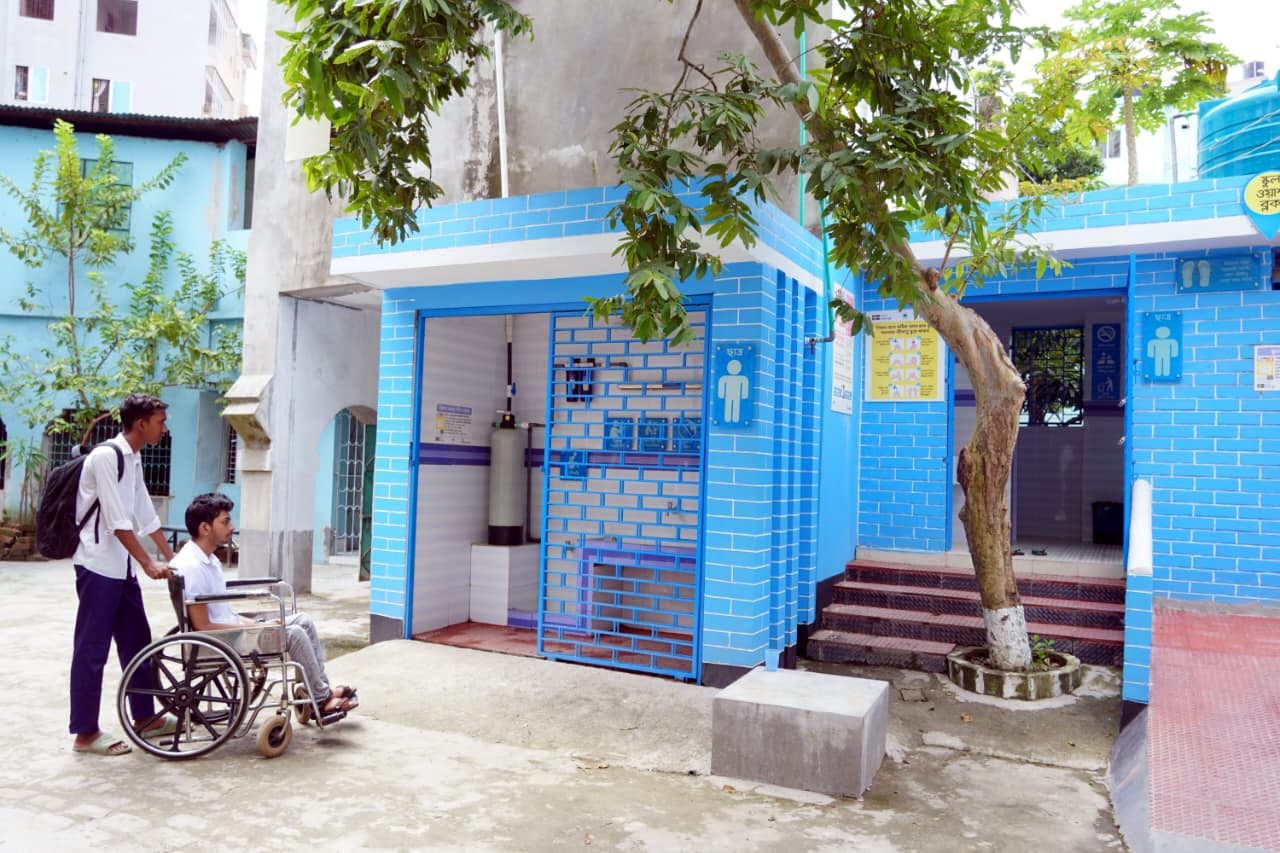
Then, in March 2019, Azad began working at the Saidpur Faecal Sludge Treatment Plant, built through the sustained effort of Saidpur Municipality, the Embassy of Sweden in Dhaka, and SKS Foundation. The job changed what work meant to him. He received training in health and safety, proper equipment, a dignified wage, and the steadiness of a permanent position.
Before, I used to think about walking away from it all. Now I find a kind of peace in the work. There is dignity in it. I even get leaves.
The plant takes waste collected from pits and septic tanks by vacuum tanker, treats it, dries it, processes it, and turns it into compost. Waste that once threatened the town’s soil, water, and air is now treated and returned to the land with purpose. Neglected waste, properly managed, becomes a resource. In that transformation is the idea at the heart of a circular economy — soil, water, people, labour, health, all bound together by the same invisible thread.
Azad’s life follows that same thread. He no longer lowers his voice when he speaks of his work.
People used to turn their noses up, and I used to feel the shame of it. Now I say it openly: I am in the business of poo. The business of keeping this city clean.